Proven Health Benefits
Matcha is more than just a traditional Japanese beverage; it’s a superfood rich in antioxidants, amino acids, and catechins, with numerous scientifically backed health benefits.

How to identify a premium matcha
It is important to know the different types of cultivation and their quality differences.
Energy without anxiety, antioxidants and metabolic health support
Matcha is much more than a powdered green tea; it's a 100% natural and organic superfood.

Improves endurance, muscle recovery, and fat burning
Matcha is an excellent natural supplement to improve athletic performance.

How it boosts natural collagen production and keeps skin radiant
If you're looking for healthier, younger-looking skin, matcha can become your best ally.
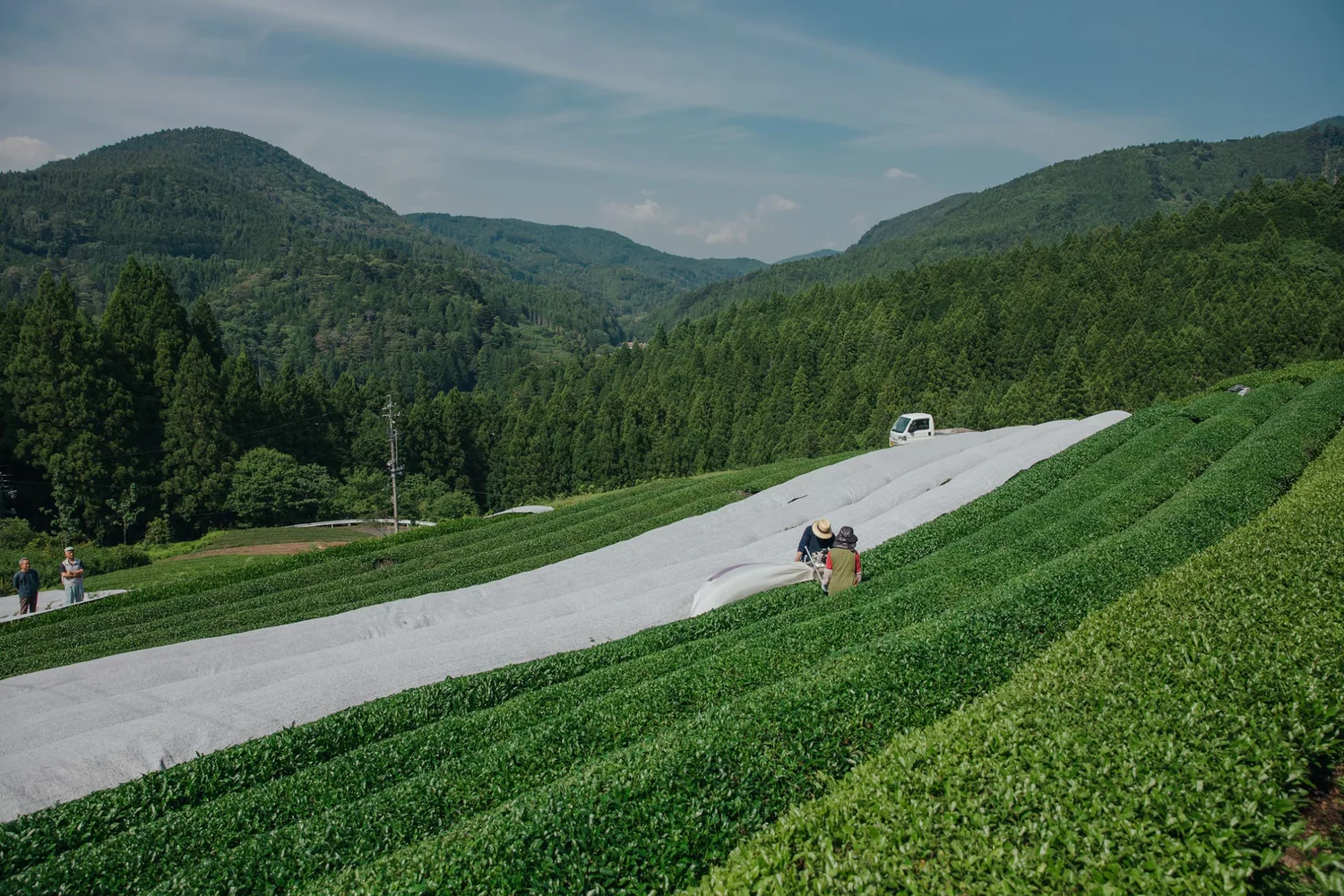
Quality you can see and feel
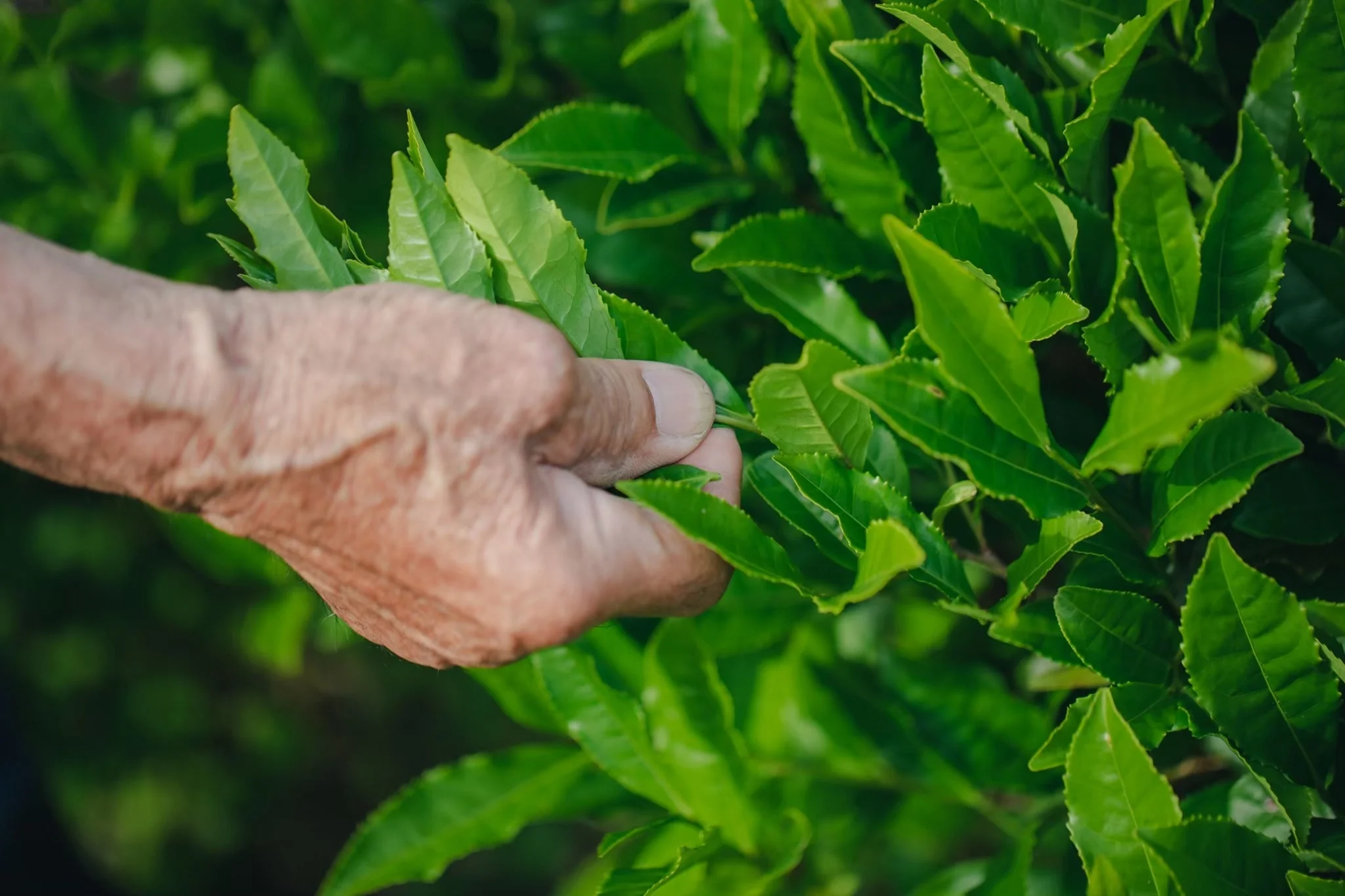
From the fields of Haruno, Shizuoka, each matcha leaf is cultivated with dedication and processed using traditional techniques to ensure absolute purity and freshness.
To prepare perfect matcha
Traditional Method (Usucha)
01
Preheat your bowl
Pour a splash of hot water into your drinking bowl or mug, briefly swish it around, and then discard the water. Wipe the bowl dry.
02
Measure & Sift
Place 1.5 to 2 grams of matcha powder into the dry bowl through a fine-mesh sieve.
03
Form a paste
Add about 30 ml (1 to 2 tablespoons) of warm, 75°C to 80°C water. Stir slowly until the powder is fully incorporated into a lump-free paste.
04
Whisk
Pour in an additional 60 to 90 ml of hot water. Using a bamboo whisk (chasen), whisk briskly from the wrist in a zig-zag "W" or "M" motion for about 30 to 45 seconds until a vibrant, frothy layer forms on top
Tradition, purity and excellence in every cup .
High in Antioxidants
Energy
Supports Metabolism and Fat Burning
Natural Detoxification and Immune Booster
The Matcha Kaori Experience
Aroma & Flavor Profile
Fresh and slightly sweet. A complex balance between natural sweetness and a pleasant, mild astringency.
Texture & Consistency
Smooth and velvety. No chalky, sandy, or powdery residue left in the mouth or at the bottom of the cup.
Visuals & Appearance
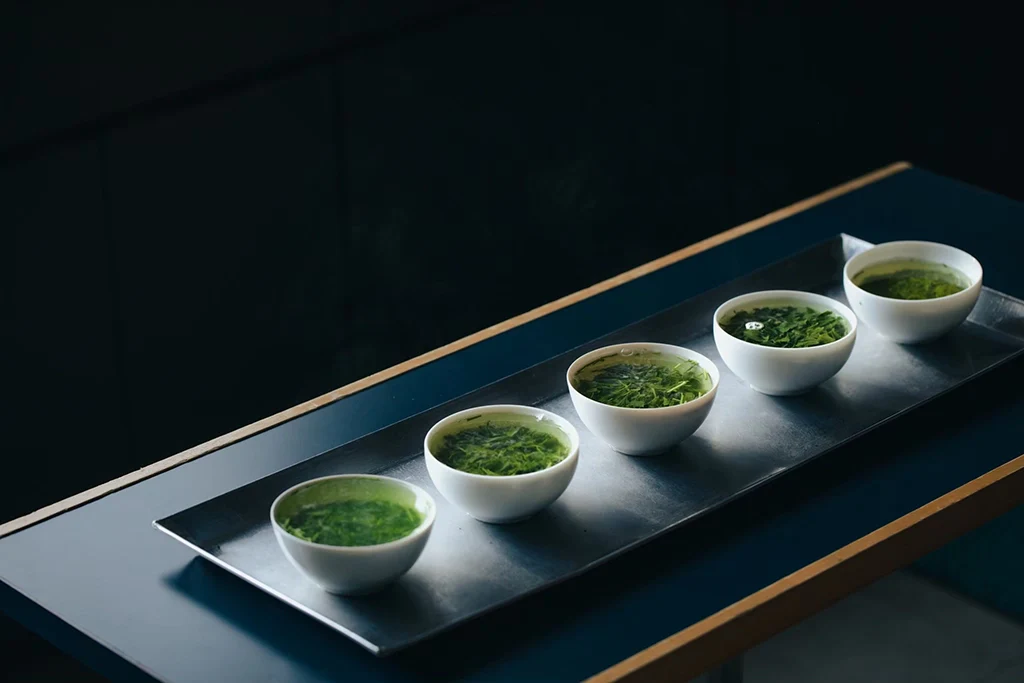
Bright, vibrant jade green. Frothed well using a bamboo whisk. Good retention of a creamy, micro-foam layer.
Frequently asked questions
If you're new or looking for answers to your questions, this guide will help you learn more about.
Which grade of matcha is right for me?
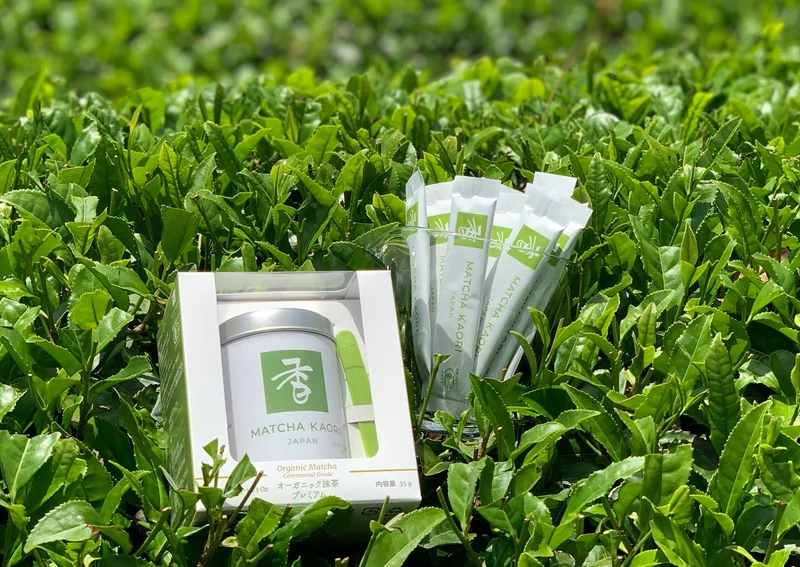
Our selection of premium matcha teas comes in various grades, from ultra–premium to blending grade. Select the grade that best matches your preferred flavor profile.
Does matcha tea have caffeine?
Matcha contains approximately 30 mg of caffeine per teaspoon of powder, while coffee typically has around 150 mg per 8-ounce serving, depending on the brewing method. This makes matcha a fantastic alternative to coffee in the morning and an effective energy booster during the afternoon slump between lunch and dinner.
How is matcha prepared?
Matcha tea is highly versatile and can be enjoyed as a simple tea with water or incorporated into lattes and smoothies. Traditionally, it is whisked into a frothy drink using a bamboo whisk in a ceramic tea bowl. Beyond beverages, matcha powder can be sprinkled over oatmeal, yogurt, or fruit, and even blended with salt to bring a distinctive green tea flavor to savory dishes like tuna salad or eggs. Ultimately, the best way to enjoy matcha is however you prefer to prepare it.
Can you still drink matcha as a hot tea without a whisk?
Absolutely. Start by adding 1 tablespoon of hot water to the powder at the bottom of your cup. Stir it thoroughly into a smooth paste, then pour in more hot water to fill the cup. That said, we highly recommend using a whisk. It is specially designed to create a frothy and airy bowl of matcha tea, offering a delightful texture and exceptional flavor.
Are there other ways to enjoy matcha besides as a tea/drink?
Matcha Source teas are wonderfully versatile, offering countless ways to incorporate them into your daily routine. We encourage everyone, especially newcomers, to discover how matcha can enhance their lifestyle. Many of our customers enjoy matcha in blended drinks like almond milk green tea lattes or energizing morning smoothies. It’s also a delicious topping for yogurt or fresh berries, and a pinch added to salt creates an excellent seasoning for eggs or fish. For even more creative sweet and savory recipes, explore the dedicated section on our website.
Do you sell matcha in tea bags?
Matcha is made by finely grinding whole tea leaves into a smooth powder. Unlike regular teas, drinking matcha means consuming the entire leaf, allowing you to absorb 100% of its nutrients. Sometimes, matcha is available in tea bags, often mixed with other whole leaf teas. However, this form typically uses lower quality matcha, offering minimal nutritional value while merely adding flavor to the infusion. To enjoy the authentic taste and reap the full health benefits, opt for pure powdered matcha and make your own brew—just the way you like it.